How Food Hygiene Re-Rating Requests Work in England, Wales and Northern Ireland
A re-rating request is not the same as a routine inspection
If your business receives a food hygiene rating you are unhappy with, the FHRS includes safeguards that allow you to respond. One of those safeguards is the ability to request a new inspection after you have made the necessary improvements.
The purpose is to let a business demonstrate that the standards found at the previous inspection have genuinely changed rather than waiting for the next routine visit.
Make the improvements before you apply
Start with the inspection letter or report from your local authority. Work through each issue raised and make sure the improvement is actually embedded in day-to-day operation.
That may include physical repairs, cleaning, pest-control work, temperature-control changes, staff instruction or improvements to your food safety management system.
There is no universal rule that says every business must wait a fixed number of weeks before requesting a re-rating. The important point is that the improvements should have been made and should be sustainable. If your changes depend on records, you need enough genuine records to show the new procedure is being followed consistently.
England: fees vary by local authority
In England, local authorities may recover the cost of carrying out a requested re-rating inspection. That means the fee is not the same everywhere, and some authorities may operate different charging arrangements.
Do not rely on a generic website saying that every reinspection costs a particular amount. Check the current process and fee with the council responsible for your rating.
Wales: requested re-ratings are part of the statutory scheme
Wales operates a statutory food hygiene rating scheme. Requested re-rating inspections are chargeable under that scheme.
The local authority will explain how to apply, how payment works and what evidence it expects you to provide with the request.
Northern Ireland: the statutory scheme also charges for re-rating requests
Northern Ireland also operates a statutory FHRS. Requested re-rating inspections are chargeable, and the district council responsible for the premises manages the process.
Again, check the current fee and application procedure directly rather than relying on an old national figure copied from another website.
The inspector can look at the whole business again
A requested re-rating is not limited to checking the single issue you have fixed. The officer can assess hygiene standards generally when carrying out the new inspection.
That matters because the new rating can go up, stay the same or potentially go down depending on what is found at the visit.
Before you apply, review the whole food safety system rather than preparing only the points listed in the previous report.
Build an evidence pack
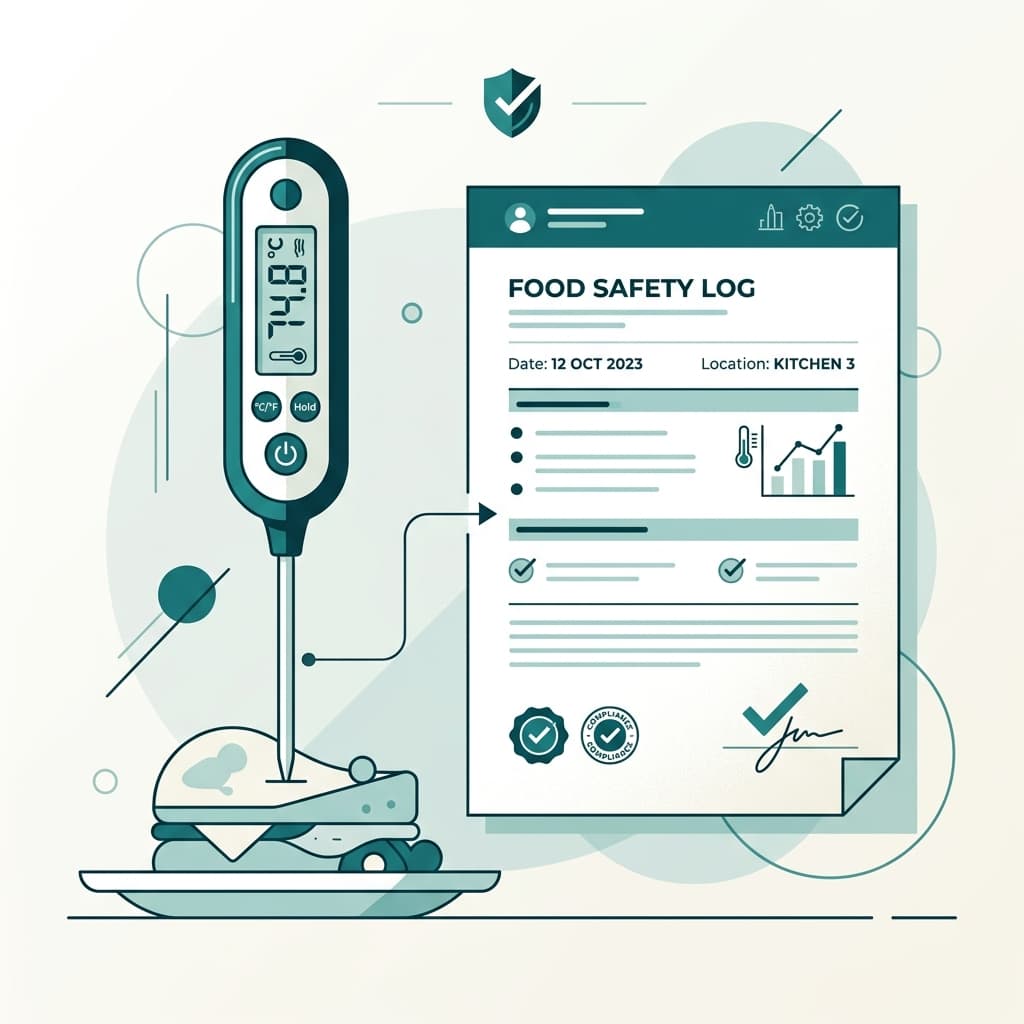
A practical re-rating file might contain:
- ›the previous inspection report
- ›a list of each issue raised and the action taken
- ›photographs or invoices for structural repairs where useful
- ›current cleaning schedules
- ›temperature-monitoring records
- ›food safety management records such as SFBB or HACCP documentation
- ›evidence of relevant staff instruction or training
- ›pest-control records where this was an issue
The objective is not to create paperwork for its own sake. The records should demonstrate that the new controls are being used in the business.
Do not invent or backfill records
If a control started today, record it from today. Do not create historical entries to make the change appear older than it is.
A short period of genuine, consistent evidence is more useful than records that cannot be trusted.
Check the local authority process
Councils publish their own forms, payment instructions and contact details. Use the local authority named on your official FSA record.
If you are unsure what must be completed before a request can be accepted, ask the Environmental Health team before paying a fee.
Re-rating is one of several safeguards
The FHRS also provides an appeal process where a business believes the rating was wrong, and a right to reply that can allow the business to explain circumstances or improvements.
Those routes have different purposes. A re-rating request is the route for demonstrating improved standards through a new inspection.
Sources
We prioritise primary guidance from the Food Standards Agency and other official sources. Links open in a new tab.